
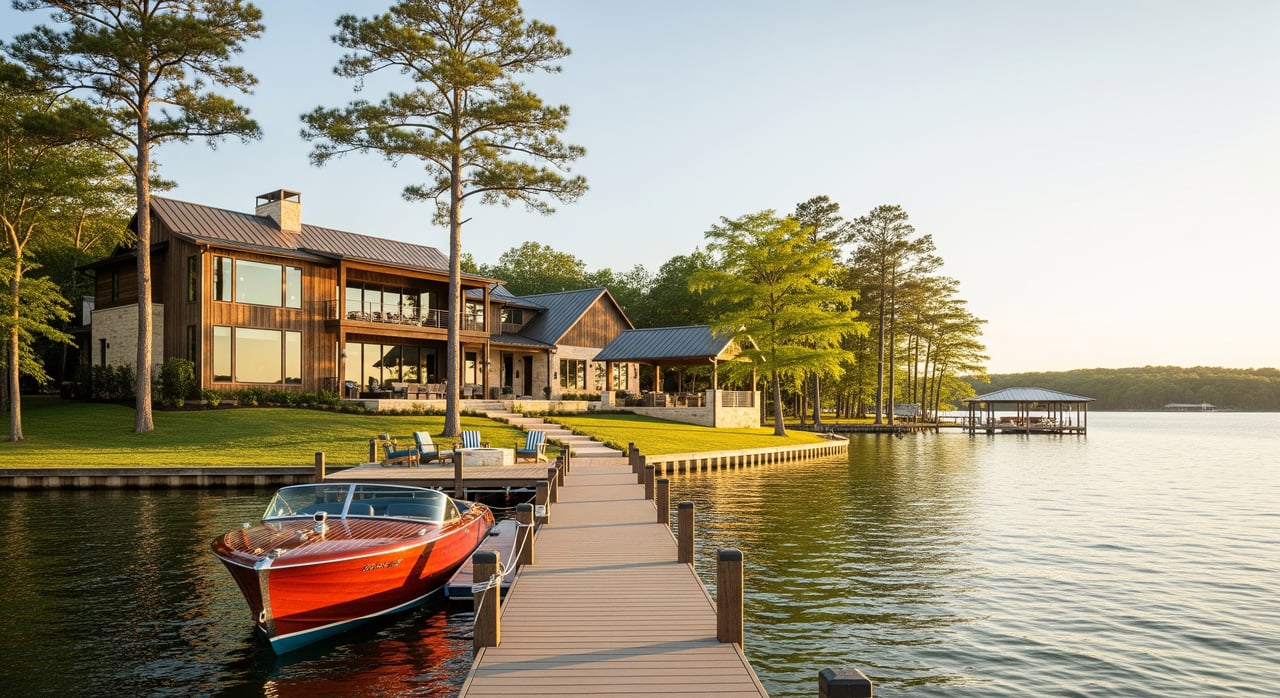
Thinking about turning a Lake Conroe property into a short-term rental, but not sure what rules apply where? You are not alone. Around the lake, regulations can change from one street to the next, and HOA rules can make or break your plan. In this guide, you will learn which authorities set the rules, how HOAs impact your strategy, and what to check before you buy. Let’s dive in.
What regulates STRs around Lake Conroe
City vs county rules
In Texas, short-term rental rules are mostly local. Around Lake Conroe, a property can sit inside the City of Montgomery, the City of Conroe, the City of Willis, or unincorporated Montgomery County. Each jurisdiction may handle registrations, minimum stays, parking, and noise differently. Unincorporated areas may not have a comprehensive countywide STR ordinance, so you should verify local expectations and general nuisance rules before you start hosting.
Many cities require you to register your rental, list a local contact, and meet safety standards like smoke and CO alarms. Some areas set minimum stays, occupancy caps, or parking limits. Enforcement usually involves fines or permit revocation if you do not follow the rules. Always confirm which city limits a property sits in, since boundaries can be tricky near the lake.
Lake and shoreline considerations
Lake access rules are separate from STR rules and are managed by the San Jacinto River Authority. If your property has a dock, pier, or boathouse, you may need permits and inspections. Setbacks, condition, and compliance can affect guest access and your liability. If you plan to market boat slips or mooring, confirm permissions and local marina policies first.
Taxes you must plan for
Short-term lodging in Texas is subject to state and often local hotel or occupancy taxes, plus sales tax. You may need to register with tax authorities and remit on a set schedule. Some platforms collect and remit certain taxes in some places, but you are still responsible for full compliance. Budget for these taxes in your pricing and cash-flow plan.
HOA and deed restrictions matter most
Common HOA positions
On Lake Conroe, HOA covenants and deed restrictions are often the deciding factor for short-term rental viability. Many communities either prohibit STRs, set a minimum lease length like 30 or 90 days, or allow rentals with strict registration and operating rules. Some limit the number of rentals per year. Others require higher liability insurance or special assessments.
Enforcement can include fines, liens, injunctions, or litigation. Courts often uphold clear HOA covenants, so do not assume you can operate if the rules limit or ban STRs. If a community allows rentals, expect requirements such as registering your unit, designating a local contact, setting house rules, and following occupancy and parking limits.
How to confirm rental permissions
Do not rely on hearsay. Ask the seller for recorded deed restrictions and the most recent HOA covenants and rules. Contact the HOA manager or board directly to confirm current policy, whether rentals must be registered, and how rules are enforced. Review recent HOA meeting minutes to see if any changes are pending. Get answers in writing before you close.
Financing and underwriting for STRs
Loan types and documentation
Most short-term rentals that are not owner-occupied are classified as investment properties. These loans usually require larger down payments, higher interest rates, and stronger reserves. Lenders often need 12 or more months of verifiable rental income to count it in your ratios. If the property is new to STR use, many lenders will underwrite based on your personal income or use conservative pro forma numbers.
You can expect requests for platform payout statements, bank deposits, and tax returns. Be ready to show a realistic operating plan that includes seasonality, cleaning expenses, and management fees, especially around a lake market with peak and off-peak swings.
Using DSCR lenders
Some lenders offer DSCR loans that look at property cash flow instead of your personal income. Standards vary by lender, and rates or loan-to-value limits may differ from conventional loans. If you are leaning toward DSCR financing, request term sheets early and model your scenarios with conservative revenue assumptions.
Insurance and flood exposure
STR and liability coverage
Standard homeowner policies often exclude commercial guest stays. You will likely need a landlord or vacation rental policy, plus a short-term rental endorsement or a dedicated STR policy. Make sure guest liability is covered. If your property has a dock or a boat house, discuss added risk and higher coverage limits with your broker.
Flood zones at Lake Conroe
Waterfront and near-water properties may be in FEMA flood zones. If you have a mortgage and are in a mapped flood zone, flood insurance is often required. Even if it is not required, a separate flood policy can protect your cash flow and reserves. Flood exposure also affects guest access during storms, so fold that into your vacancy planning.
Model conservative cash flow
You should underwrite as if you own the property through a full off-season. Build a budget that balances peak summers with slower winters and surprise costs.
Key revenue drivers
- Average Daily Rate and occupancy, based on market comps and seasonality.
- Channel mix and platform fees for sites you plan to use.
- Event-driven demand from lake season, holidays, and local events.
Operating and fixed costs
- Management fees if you hire a pro manager; full-service STR fees often run higher than long-term management.
- Cleaning and turnover costs per stay, plus supplies and linens.
- Utilities, landscaping, pool and dock maintenance, HOA dues, and slip fees.
- Mortgage, property taxes, insurance, and flood coverage.
- Reserves for roof, HVAC, appliances, and dock repairs.
Stress test your plan
- Run optimistic, base, and conservative scenarios.
- Include a liquidity buffer of 3 to 6 months of expenses.
- Model regulatory or storm-related shutdowns and off-season vacancies.
Step-by-step due diligence checklist
- Confirm jurisdiction
- Identify if the parcel sits inside the City of Montgomery, City of Conroe, City of Willis, or unincorporated Montgomery County.
- Check applicable STR registration, minimum stays, occupancy, noise, parking, and trash rules.
- Review HOA and deed restrictions
- Obtain recorded deed restrictions and the latest HOA covenants and rules from the seller or title company.
- Request written confirmation from the HOA on rental permissions, registration steps, penalties, and any pending changes.
- Scan recent board minutes for STR topics that hint at tighter enforcement.
- Verify taxes and registration
- Confirm state and any local hotel or occupancy taxes, plus sales tax requirements.
- Determine whether your platform collects certain taxes and what still falls on you.
- Assess insurance and flood risk
- Get quotes for an STR policy with adequate guest liability coverage.
- Check FEMA flood zone status and request flood insurance quotes if applicable.
- Validate income and market comps
- Request 12 or more months of booking history if available, including nightly rates, occupancy, cleaning fees, and platform fees.
- Compare against nearby STRs within the same community or similar lake access. Adjust for seasonality.
- Check lake access and infrastructure
- Confirm dock or boathouse permits and condition. Verify San Jacinto River Authority requirements.
- Evaluate parking capacity, access roads, and whether the home is on septic or public sewer.
- Line up lenders and legal
- Discuss loan options early, including conventional, portfolio, or DSCR.
- Ask a local real estate attorney to review covenants and advise on enforcement risk.
- Build your operating plan
- Decide whether to self-manage or hire a manager. Collect fee quotes.
- Draft guest rules that cover noise, occupancy, parking, trash, and safe dock use. Set up a local emergency contact.
Common pitfalls and how to avoid them
- Relying on verbal approvals. Always get HOA and municipal guidance in writing before you close.
- Overestimating peak season. Discount historic ADR and occupancy to account for off-season and event risk.
- Ignoring flood exposure. Price in flood coverage and potential closures after major storms.
- Assuming platforms handle all taxes. Confirm which taxes are collected by platforms and what you must register and remit yourself.
- Betting on future rule changes. Buy based on the rules in place today, not hoped-for amendments.
Local investor takeaways
If you pick the right community and plan for lake-specific risks, Lake Conroe can be a strong short-term rental market. Start by confirming the exact jurisdiction, then let the HOA documents guide your go or no-go decision. From there, align financing, insurance, and tax registration with a conservative cash-flow model that respects seasonality and flood exposure. A clear operating plan and solid reserves will keep you on track through off-peak months and surprise events.
If you would like a second set of eyes on HOA covenants, permit paths, or a cash-flow model for a specific property, reach out. The right prep now can save you from costly surprises later.
Ready to evaluate a Lake Conroe STR opportunity with a local, process-driven guide? Connect with Joseph Diosana for a consultative review of your target property and a step-by-step plan to move forward with confidence.
FAQs
What rules apply to short-term rentals near Lake Conroe?
- Rules can come from the city where the property sits, unincorporated county, your HOA covenants, and lake authorities for docks. Start by confirming jurisdiction and then review HOA restrictions.
How do HOA covenants affect nightly rentals on Lake Conroe?
- Many HOAs either prohibit STRs, set minimum lease terms like 30 or 90 days, or require registration and compliance with guest rules. Enforcement can include fines, liens, or injunctions.
Do I need to collect taxes for Lake Conroe short-term stays?
- In Texas, short-term lodging is typically subject to state and often local hotel or occupancy taxes, plus sales tax. Platforms may collect some taxes in certain areas, but you are responsible for full compliance.
What insurance do I need for a Lake Conroe STR?
- Standard homeowner policies often exclude guest stays. You will likely need a landlord or vacation rental policy with a short-term rental endorsement and adequate liability coverage, plus flood insurance if in a FEMA zone.
How should I underwrite a Lake Conroe STR purchase?
- Use conservative ADR and occupancy assumptions, include higher STR management and cleaning costs, plan for seasonality and storm risks, and keep 3 to 6 months of expense reserves in case of vacancies or shutdowns.