
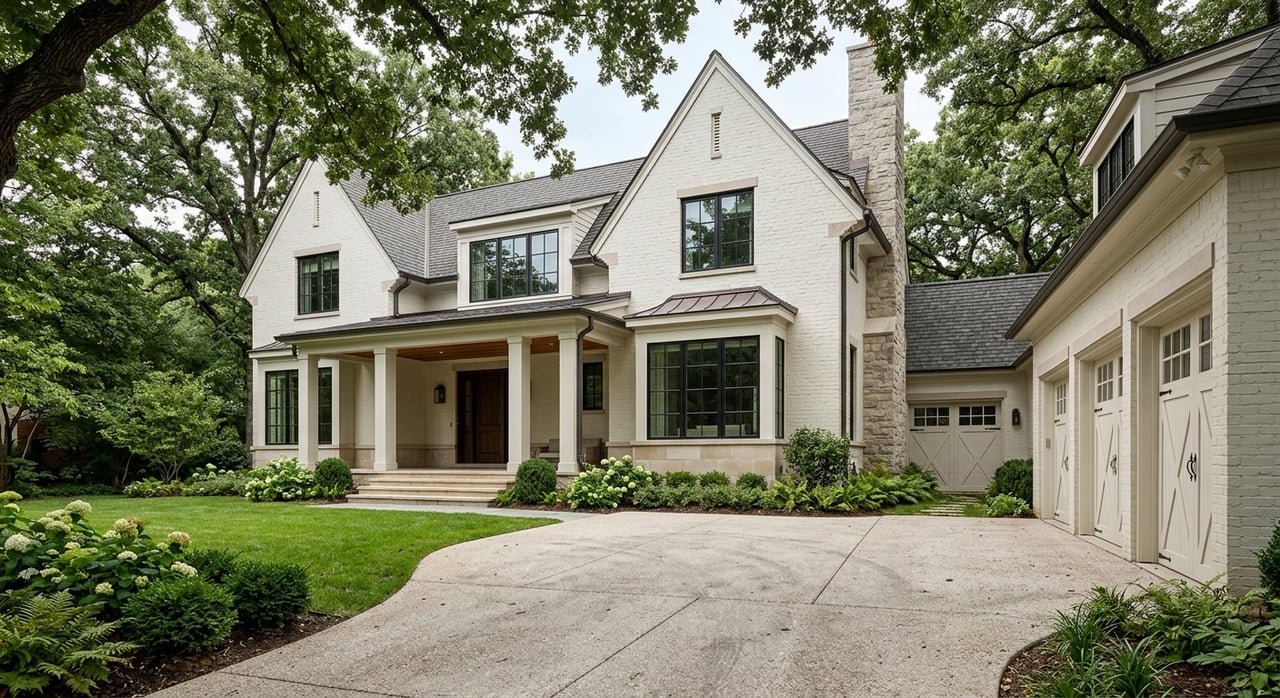
Thinking about trading inner-loop convenience for more space in west Houston? If you are relocating to Memorial from Inside the Loop, the biggest question usually is not whether Memorial is appealing. It is how your daily life will actually change once you get there. This guide will help you understand the lifestyle shift, what to expect from housing and commute patterns, and what details you should verify before you buy. Let’s dive in.
What Memorial Means in Houston
In this context, Memorial generally refers to the City of Houston’s Memorial Super Neighborhood, also known as SN 16. According to the City of Houston’s Memorial Super Neighborhood overview, the area sits between Buffalo Bayou and I-10, stretching west toward State Highway 6, with the incorporated villages to the east.
That same city resource notes that Memorial’s first major residential development began in the 1950s. Today, it includes a mix of subdivisions, ranging from more modest homes to million-dollar estates, along with major retail and office concentrations near I-10 such as CityCentre and Memorial City.
For many buyers coming from Montrose, Museum Park, or nearby inner-loop neighborhoods, Memorial feels like a clear shift in pace. The City of Houston’s Montrose neighborhood page describes Montrose as a west-central Houston area with a bohemian, eclectic atmosphere and a mix of historic homes, condos, apartments, and deed-restricted pockets. By comparison, Memorial is generally more suburban in layout and more car-oriented in how people move through the area.
How Daily Life Changes in Memorial
The biggest change for most inner-loop movers is how they get around. If you are used to shorter street-grid trips, Memorial often means your routines become more tied to I-10 and Beltway 8.
According to Memorial City, the area sits along the I-10 and Beltway 8 corridor. CITYCENTRE is also identified in the research as a mixed-use destination at I-10 and Beltway 8 with dining, retail, office space, and residential living. In practical terms, that means many west-side errands become easier once you live nearby.
If your work, social life, or favorite restaurants are still centered in Downtown, Montrose, or the Museum District, your drive will usually get longer. That is one of the clearest tradeoffs when relocating to Memorial from Inside the Loop.
Why Many Buyers Still Make the Move
Even with a more freeway-based lifestyle, Memorial offers strong access to major Houston amenities. You are not moving to a disconnected part of town. You are simply shifting your center of gravity farther west.
One example is Memorial Park. The City of Houston’s Memorial Park page notes that the park is west of Downtown at I-10 and Loop 610 and includes trails, tennis courts, a fitness center, a pool, and playing fields. The Memorial Park Conservancy also identifies the park as roughly 1,500 acres in the research.
That access matters if you want more room at home without feeling cut off from Houston’s core. For many buyers, Memorial offers a middle ground: more residential space, while still keeping major shopping, dining, recreation, and freeway access close at hand.
Schools and Zoning Require Verification
If schools are part of your home search, this is one area where you do not want to make assumptions. Boundaries in and around Memorial can be highly address-specific.
According to Spring Branch ISD, the district covers about 44 square miles west of downtown Houston, serves more than 33,000 students, and includes the incorporated Memorial Villages. SBISD also notes that it offers a range of academic programs including AP, honors, Dual Language, IB, STEM, arts, and CTE options.
Some of the best-known public school campuses associated with Memorial include Memorial Drive Elementary, Memorial Middle, and Memorial High. Memorial High states that it serves students living in Piney Point Village, Hunters Creek Village, Spring Valley Village, Hilshire Village, Hedwig Village, and Bunker Hill Village.
That said, the right takeaway is not to rely on neighborhood shorthand. It is to verify the exact property address using SBISD’s address-based school finder, which the district launched in 2024. The research also notes that Katy ISD has its own address-based school assignment tool, and that some subdivisions can cross district lines.
Why one subdivision can tell two stories
A good example is Memorial Thicket. Its history page, cited in the research, notes that the subdivision remains partly in HISD and partly in Katy ISD. That is a useful reminder that even homes within the same broader area may not share the same school zoning.
If schools are an important factor in your move, verifying the parcel should be one of your earliest steps, not something you save for later.
Housing Styles in Memorial Are More Varied Than Many Buyers Expect
Some buyers picture Memorial as one uniform collection of large single-family homes. In reality, the housing mix is broader than that.
According to the City of Houston’s housing structure data for the Memorial Super Neighborhood, about 39.5% of housing units are single-family detached, 12.7% are single-family attached, and 36.3% are in buildings with 10 or more units. So while many people associate Memorial with established subdivisions and larger homes, the area also includes townhome-style housing and condo or apartment concentrations.
The City of Houston’s Memorial overview provides the cleanest description of the area’s housing stock: older, established, and highly variable by subdivision. That is an important point if you are relocating from an inner-loop condo, townhome, or bungalow and want to understand what options really exist.
What buyers often notice first
When you tour Memorial, many sections feel greener, quieter, and more residential than typical inner-loop blocks. You may also notice homes from different eras, lot patterns that change from one subdivision to the next, and a wider range of home sizes than expected.
One example from the research is Memorial Thicket, which says its 158 single-family homes range from 2,400 to 6,800 square feet, with a median size of 3,600 square feet. That is not a stand-in for all of Memorial, but it does illustrate the kind of larger-home, HOA-managed pocket buyers may encounter.
HOAs and Deed Restrictions Matter More Here
If you are moving from a less regulated inner-loop area, Memorial may introduce a new layer of neighborhood rules. In many sections, deed restrictions and HOA requirements play a major role in how the neighborhood looks and functions.
The City of Houston’s deed restrictions page explains that deed restrictions are private subdivision agreements that can regulate setbacks, lot size, structure type, orientation, and fences. That can directly affect what you can change about a property after you buy it.
The research gives specific examples. Memorial Drive Acres has annual dues, resale certificate requirements, and architectural control documents. Memorial Thicket states that it enforces DCCR and architectural guidelines and contracts for 24-hour security.
What to review before you buy
Before writing an offer, it helps to confirm:
- HOA dues
- Architectural review requirements
- Deed restrictions
- Security or gate arrangements, if any
- Resale certificate or transfer requirements
These details can shape both your budget and your long-term flexibility with the home.
The Main Tradeoff: Space for Convenience
For many buyers, relocating to Memorial from Inside the Loop comes down to one core tradeoff. You are often gaining a more spacious, established residential setting, but giving up some of the quick central-city access you may be used to.
That does not mean one option is better for everyone. It means your decision should reflect how you actually live. If your daily routine is still deeply tied to Montrose, Downtown, or the Museum District, the commute adjustment may feel significant. If you are ready for more home space, a more suburban pattern, and strong west-side amenities, Memorial can be a very practical next move.
How to Make a Smart Move to Memorial
If you are seriously considering the switch, keep your search focused on the details that matter most to your lifestyle.
Start with these steps:
- Map your weekly routine so you can see how often you will rely on I-10 or Beltway 8.
- Verify school zoning by address using the appropriate district tool.
- Compare subdivisions carefully because housing style, lot layout, and neighborhood rules can vary a lot.
- Review HOA and deed restriction documents early so there are no surprises.
- Balance home features with location reality instead of assuming all Memorial addresses offer the same experience.
A move like this works best when you look beyond the listing photos and think through how the area will support your day-to-day life.
If you are weighing Memorial against your current inner-loop lifestyle, a local strategy can make the decision much clearer. Joseph Diosana can help you compare neighborhoods, verify property-level details, and build a relocation plan that fits how you want to live.
FAQs
What changes most when moving to Memorial from Inside the Loop?
- The biggest change is usually your daily driving pattern. Memorial is more tied to I-10 and Beltway 8, so trips to central Houston often take longer while west-side errands may become easier.
What school district should I expect in Memorial?
- Do not assume based on neighborhood name alone. Memorial-area properties may fall within different school districts, so you should verify each address with the district’s school finder tool.
What types of homes are available in Memorial?
- Memorial includes a mix of single-family detached homes, single-family attached homes, and larger multifamily buildings, so the housing options are broader than many buyers expect.
What should I know about Memorial HOAs and deed restrictions?
- In many Memorial subdivisions, HOAs and deed restrictions can regulate features such as setbacks, fences, structure type, and architectural changes, so reviewing those documents early is important.
Is Memorial still connected to major Houston amenities?
- Yes. Memorial offers access to destinations such as Memorial City, CityCentre, and Memorial Park, which helps many buyers stay connected to shopping, dining, and recreation without living inside the Loop.