Thinking about putting down roots in Montrose? If you love art, cafés, and being close to the action, this central Houston neighborhood might fit your day-to-day life. Choosing the right neighborhood is a big decision, especially if you care about walkability, commute options, and the style of homes available. In this guide, you’ll get a clear picture of Montrose’s culture, transportation, and housing mix, along with practical tips to help you plan your move. Let’s dive in.
Montrose at a glance
Montrose, also called Neartown/Montrose, is one of Houston’s most recognizable in-town neighborhoods. You’ll find an eclectic mix of people and places, a strong arts scene, and an inclusive vibe. Architecture ranges from early 20th-century bungalows to contemporary townhomes and small mid-rises.
Cultural anchors sit right in the neighborhood. The Menil Collection and Rothko Chapel offer world-class yet intimate art experiences, and smaller galleries are sprinkled along Westheimer and nearby streets. You’re also close to Downtown and the Museum District, which adds options for shows, exhibits, and events within a short drive or bike ride.
Culture, dining and nightlife
Art and institutions
Montrose is known for accessible, everyday culture. The Menil campus and the Rothko Chapel draw visitors from around the world, while smaller galleries and studios fuel a local creative scene. Community organizations and neighborhood associations support events and public programs that keep the district active.
Dining and coffee
Food is a big part of daily life here. Along Westheimer and Montrose Boulevard, you can explore casual international spots, modern restaurants, bakeries, and coffee shops. It’s easy to meet friends for brunch, grab a late-night bite, or try a new place after work.
Nightlife and shopping
You’ll find lively bars, lounges, and live-music venues alongside long-standing neighborhood favorites. Shopping leans local, with vintage and consignment stores, specialty boutiques, and fitness studios. Large national retailers are less common in central Montrose, which keeps the area’s independent feel strong.
Walkability and daily life
Walkability
Central Montrose is considered very walkable by Houston standards. Many daily needs, such as groceries, cafés, and services, are a short walk from main corridors. Walkability can vary by block and edges of the neighborhood are more car dependent, so it helps to check specific streets when you’re comparing homes.
Parks and the outdoors
Buffalo Bayou Park forms a major green edge on the north side of Montrose. The multiuse trails along the bayou work well for walking, running, and biking, and weekend programming adds to the fun. You’re also close to the Museum District and Hermann Park, which bring even more green space and cultural options within a short bike or drive.
Bikes and micromobility
Cycling is practical for some residents. You have trail access along Buffalo Bayou and bike lanes on select streets. Bike-share and scooter availability can change over time, so it’s smart to check current operators and local rules when you move in.
Everyday errands
Grocery options range from small markets and convenience stores to larger grocers nearby. You’ll also have quick access to healthcare and services. Proximity to the Texas Medical Center and central employment districts is a key advantage for many residents.
Commute and transportation
Driving and destinations
Montrose sits near the middle of Houston, which keeps many commutes short in distance. Downtown, the Museum District, and the Texas Medical Center are typically quick drives outside peak traffic. The Galleria and Uptown areas can take longer, and rush hour can add delays. Arterial streets connect you to I‑69/US‑59, I‑45, and the West Loop.
METRO bus and rail
METRO bus routes serve Montrose and provide connections to Downtown, the Medical Center, and other job centers. The Red Line light rail runs through the Museum District and Downtown. Depending on your exact address, a rail stop may be a short bus or bike ride away. Regional park-and-ride options exist, though transfers may be needed.
Parking and congestion
Street congestion can be noticeable during peak hours. Parking is tighter near central restaurant and nightlife clusters. Many newer townhomes include private garages, while older bungalows may rely on street parking. Some blocks use residential permits or time limits, so it pays to review local rules.
Homes and housing styles
Historic bungalows
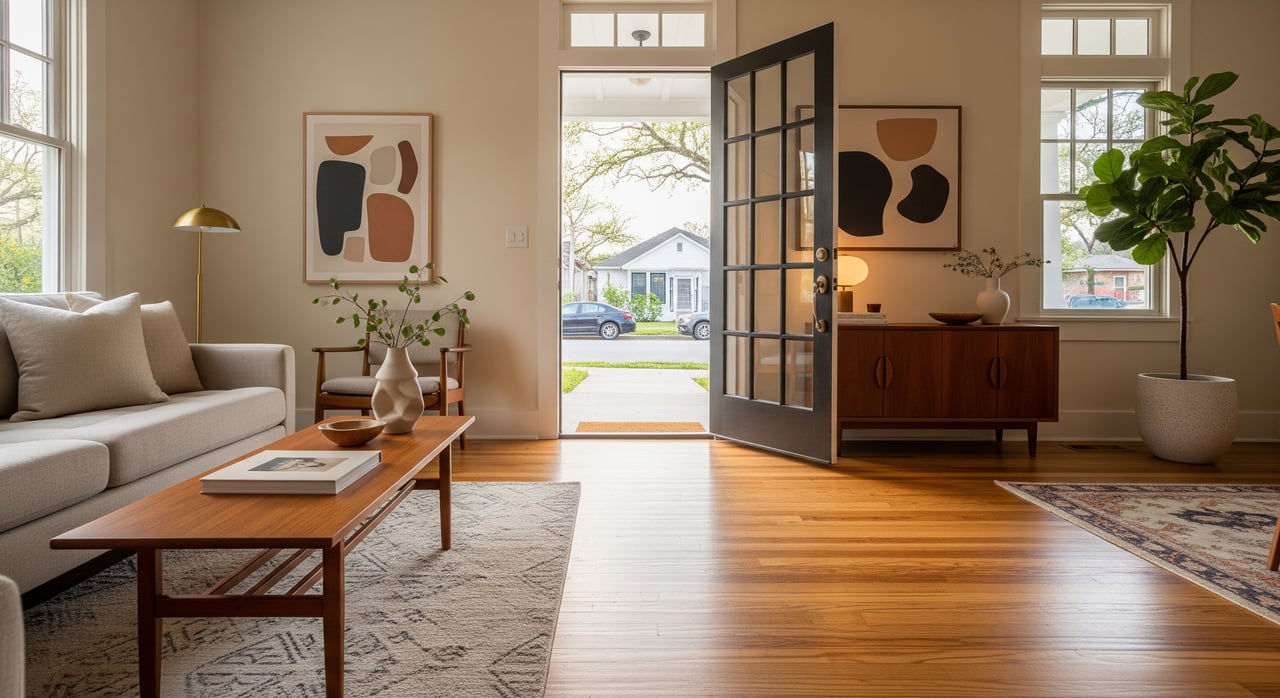
Montrose has many early- to mid‑20th‑century bungalows and cottages. These homes often feature front porches and classic details, and many have been renovated or expanded. If you value original character and sidewalk life, these streets can be appealing.
Townhomes and infill
In the last 10 to 15 years, infill development has added a large number of contemporary townhomes. These homes often include attached garages, modern finishes, and smaller lots, which increases neighborhood density. They are popular with buyers who want newer construction and low-maintenance living close to central districts.
Apartments, condos and lofts
Housing choices include older low-rise apartment buildings, small condos, and some loft-style units. Newer mid‑rise developments appear along main streets, but overall the area reads as low to mid‑rise. Renters will find a range of options from budget‑friendly older apartments to higher‑end newer buildings.
Ownership and rental mix
Montrose has a strong rental population that includes young professionals, creatives, and people who work Downtown or in nearby districts. Owners include long‑time residents in renovated bungalows and newer buyers in infill townhomes. The neighborhood suits people who prioritize culture, walkability, and proximity over a suburban feel.
What to consider before you buy or rent
Budget and property taxes
Texas relies heavily on property taxes, and homeowners in the City of Houston and Harris County should budget accordingly. Your monthly payment can be influenced by county, city, school, and special district rates. If you plan to occupy your home, look into homestead exemptions to reduce taxable value.
Flood risk and insurance
Flood risk varies block by block, especially near Buffalo Bayou and low‑lying corridors. Before you make an offer, review FEMA flood maps and Harris County Flood Control District resources for the property’s status. Ask for seller disclosures and any elevation certificates. Even if your lender does not require flood insurance, it can be wise to get quotes as part of your budgeting.
Permits, renovations and historic areas
Many Montrose properties are older, so plan for inspections and potential updates to plumbing, electrical, and structure. Houston does not have citywide zoning, which allows mixed uses and varied architecture. Permits and building codes still apply, and some blocks may have deed restrictions or historic protections that guide exterior changes.
Schools and education
Families live in Montrose, and school choices can include zoned public options, magnet programs, private schools, and nearby universities such as the University of St. Thomas. Because assignments and ratings can change, it’s best to verify attendance zones and programs for a specific address using current district tools.
Safety and community
As with any urban neighborhood, safety can vary by block and time of day. Review up‑to‑date crime data and speak with neighbors or local association representatives for current insights. Community groups and neighborhood associations are active and often support safety initiatives.
Parking and lot sizes
Older homes may have limited off‑street parking, and lot sizes vary widely. Newer townhomes typically include garages. Some streets use permit or time-restricted parking during busy hours. If parking is important to you, confirm requirements and available spaces for the specific property.
Is Montrose right for you?
Choose Montrose if you want a central Houston lifestyle with an arts-forward personality, strong café culture, and access to green space and trails. You’ll trade some suburban conveniences, such as ample driveways and uniform streetscapes, for a walkable grid and an eclectic mix of homes and businesses. If you value character, diversity of options, and proximity to Downtown and the Museum District, Montrose should be on your shortlist.
Ready to explore homes that match your wish list in Montrose or nearby? Reach out to Joseph Diosana for a friendly, process-driven approach to buying or selling. Our team pairs local expertise with proven systems to help you move with confidence.
FAQs
How walkable is Montrose for daily errands?
- Central Montrose is considered very walkable, with many shops, cafés, and services nearby, though walkability can vary by block and edges of the neighborhood.
What home types will I find in Montrose?
- You’ll see renovated historic bungalows, contemporary townhomes, older low‑rise apartments, condos, and some newer mid‑rise buildings along main streets.
How long is the Montrose commute to Downtown?
- It’s a short drive in distance, but actual time varies with traffic; METRO buses offer alternatives and light rail is accessible in adjacent districts.
Does Montrose have flood risk I should plan for?
- Some areas near Buffalo Bayou and low‑lying corridors carry higher risk; verify specific addresses using FEMA and county flood maps and budget for insurance.
What should I know about parking in Montrose?
- Parking can be tight near busy corridors; newer townhomes usually include garages, while older homes may rely on street parking and permit rules.
Are there public transit options in Montrose?
- Yes, METRO bus routes connect to major job centers; light rail runs nearby through the Museum District and Downtown, reachable by a short bus or bike ride.