
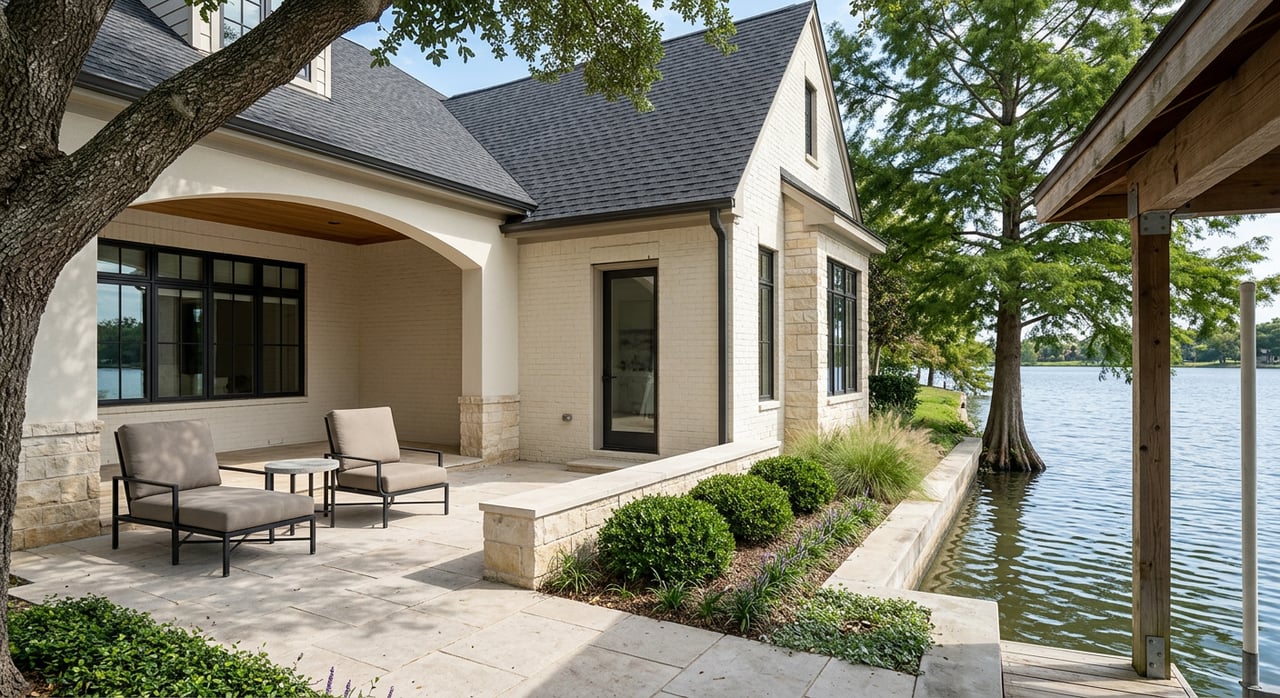
Picture your weekend starting with glassy water, a short ride up I-45, and lunch by the dock with lake views. If you are exploring a second home near Conroe’s 77301, Lake Conroe gives you a true getaway without giving up city convenience. In this guide, you will learn how the lake works, where people boat and dine, when it is busiest, and what to know about docks, taxes, and HOA rules before you buy. Let’s dive in.
Why Lake Conroe works for second homes
Quick snapshot of the lake
Lake Conroe is a man-made reservoir managed by the San Jacinto River Authority. It offers roughly 20,100 surface acres and about 150 miles of shoreline, with average depths in the 20-foot range. You can confirm lake size and background in the Texas Parks and Wildlife lake survey for Lake Conroe. According to the TPWD lake survey, the reservoir impounded in 1973 and sits on the West Fork of the San Jacinto River.
Close-to-Houston convenience
From the Conroe area, including 77301, you can be on the south shore marinas along Highway 105 in minutes. For many Houston buyers, Lake Conroe is a classic close escape, typically about an hour from downtown via I-45. You get big-lake recreation with The Woodlands and Conroe nearby for dining, groceries, and services. Learn the basics of the lake’s location and visitor patterns on the Lake Conroe overview.
Boating and fishing basics
Rent or bring your own boat
You do not need to own a boat to enjoy the lake. Full-service marinas and rental companies make it easy to get on the water for a few hours or a full day. On the south shore, Waterpoint Marina anchors a walkable boardwalk with slips and services. You can also browse a local directory of boat rentals to find pontoons, ski boats, wave runners, and party barges.
If you already own a boat, you will find both community and private marinas with transient slips, fueling, and repair. Pontoons are popular for families and groups. Ski and wake boats dominate summer weekends, and you will see fishing rigs setting out at first light.
Safety and local rules
Texas boating laws apply on Lake Conroe. Expect enforcement of life jacket rules, operator education for younger boaters, registration, and BWI laws. For a refresher on state rules, check the TPWD boating rules. Local no-wake zones and event-specific rules also apply, so plan to confirm details with the SJRA office or your marina before a busy weekend.
What you can catch
If fishing is part of your plan, Lake Conroe supports largemouth and white bass, several catfish species, and crappie. The lake hosts regional tournaments and produces strong numbers with occasional trophy bass. Review species, stocking, and habitat details on the TPWD fishery page for Lake Conroe.
Where to dock, dine, and unwind
Marinas with easy access
The lake’s south shore is the most developed, with marinas close to retail and restaurants. Waterpoint Marina offers slips, services, and a boardwalk setting that is great for guests. Several master-planned communities on the lake include private marinas or yacht clubs with their own rules and waitlists. These can be a big factor if you want a slip near your home.
Boat-friendly restaurants
A classic day includes a mid-lake cruise and lunch at a boat-up spot. Papa’s on the Lake is a longstanding favorite with dock-up access, casual food, and an upbeat scene. Check out Papa’s on the Lake for hours and menus. You will also find other waterfront grills and bars on the 105 corridor for an easy tie-up and a late afternoon break.
Resort day fun
Families often mix in a pool day or spa visit at the large resort near the south shore, which has been rebranded under Margaritaville concepts in recent years. Day-pass and guest policies can change, so confirm current offerings before you plan your itinerary. Many owners like pairing a quiet morning cruise with an afternoon by the pool when the lake gets busier.
Seasonality and crowd levels
Summer surge and holiday tips
Lake Conroe stays active year-round, but crowds surge from Memorial Day to Labor Day, especially on holiday weekends. Expect more party barges, ski boats, and day-use traffic in peak season. Book rentals and transient slips early for holiday periods, and aim for earlier start times to enjoy calmer water. For a high-level view of seasonal activity, see the Lake Conroe overview.
Shoulder seasons and winter
Spring and fall offer milder temps, fewer party barges, and strong fishing. You may see tournament activity in certain coves or launch areas, but overall traffic is lighter. Winter is the quietest, and many services operate on reduced schedules or by reservation.
A sample weekend on Lake Conroe
- 8:00 a.m.: Pick up a pontoon from a south-shore marina and cruise north while the water is calm.
- 11:30 a.m.: Tie up for lunch at a boat-friendly spot like Papa’s and enjoy a shaded patio.
- 1:00 p.m.: Slow cruise past quiet coves on the north end, then head back toward Highway 105.
- 3:00 p.m.: Pool time at a resort or a community clubhouse, or relax on your deck.
- 6:30 p.m.: Sunset cruise, then dock for a casual dinner and live music.
- Sunday: Early fishing session or a coffee-and-cruise before checkout and an easy drive home.
Real estate considerations for second-home buyers
Property types to compare
- Waterfront single-family homes: Classic lake living with private docks or deeded access. You get convenience and views, and you will want to review bulkhead and dock maintenance history.
- Community or off-water homes and condos: Easier lock-and-leave living with shared amenities and access to community or nearby marinas. Neighborhoods like April Sound, Walden, Bentwater, and others offer different HOA services, golf, tennis, and clubhouse options.
Waterfront properties typically command a premium over inland alternatives. Inventory and pricing vary widely by community, lot type, and water access.
Taxes, MUDs, and fees
Property taxes in Montgomery County come from several entities, such as the county, school district, and often a municipal utility district. Many lake-area neighborhoods sit within a MUD that bills for water, sewer, and has its own tax rate. Ask for a property-specific tax estimate and a line-item view of any MUD fees so you know the true carrying costs.
Docks, bulkheads, and permits
If you want to build or modify a dock or boathouse, you must follow SJRA rules. Before you buy, confirm that any existing structures are properly permitted and get recent inspection records for bulkheads or seawalls. Review SJRA’s residential structure licensing guide so you understand what is allowed.
Flood risk and insurance
Some lakefront and near-water properties sit in FEMA flood zones, and lenders may require flood insurance. Even when it is not required, many owners choose coverage for peace of mind. Check FEMA maps for the exact property, ask for an elevation certificate if needed, and get local quotes. Learn the basics at FloodSmart’s flood insurance basics.
Utilities and maintenance
Service setups vary by neighborhood. Some communities are on public water and sewer through a MUD, while more rural parcels may use well and septic. Ask sellers for utility providers, recent invoices, and details on dock, bulkhead, pool, and pest control upkeep. If you plan to be away for stretches, explore local vendors for lawn care, pool maintenance, and periodic dock checks.
Short-term rentals and HOA rules
Short-term rental policies differ by subdivision and condo complex. Some allow nightly or weekly rentals, while others restrict or ban them. Do not assume rental income is allowed. Request the HOA or POA covenants, and look for marina and slip-use rules for guests and renters. As a starting point for understanding neighborhood governance, see HAR’s April Sound neighborhood snapshot.
Which side of the lake fits you
The south shore has more marinas, restaurants, and bulkheaded waterfront. The north end is more wooded and quieter, with fewer commercial hubs. Decide whether you want quick access to Highway 105 amenities or a slower pace deeper in the coves. The Lake Conroe overview can help you picture the options before you tour.
Quick buyer checklist
- Confirm the exact location and which side of the lake matches your style and access needs. Start with the Lake Conroe overview.
- Verify SJRA permits and records for any existing dock or boathouse, and review rules before planning changes. See SJRA’s residential structure licensing guide.
- Pull FEMA flood maps, ask for an elevation certificate if needed, and price flood insurance. Review FloodSmart’s flood insurance basics.
- Request HOA/POA covenants and any marina or slip policy, including guest and renter rules. Review a neighborhood snapshot like April Sound on HAR.
- Confirm utilities: public water/sewer or well/septic, trash, and any MUD fees.
- Ask for recent bulkhead, seawall, and dock inspection or repair records.
- Line up local vendors for lawn, pool, pest mitigation, and dock checks for lock-and-leave ease.
- If you expect to rent the home, verify permits, taxes, and HOA rules before you underwrite income.
Thinking about how a second home here could work for you? When you are ready to tour neighborhoods, compare HOA rules, and price out docks and taxes, reach out to Joseph Diosana for a calm, step-by-step approach that protects your time and budget.
FAQs
How big is Lake Conroe and where is it?
- Lake Conroe covers about 20,100 surface acres with roughly 150 miles of shoreline, north of Houston near Conroe and The Woodlands, per the TPWD lake survey.
Are there boat rentals on Lake Conroe if I do not own one?
- Yes, you can rent pontoons, ski boats, and more from marinas and operators listed in resources like the local boat rental directory.
What boating rules should I know before operating on Lake Conroe?
- Texas laws on life jackets, operator education, registration, and BWI apply; review the TPWD boating rules and check with SJRA for local no-wake zones and event policies.
How crowded does Lake Conroe get during summer and holidays?
- Expect heavy traffic from Memorial Day to Labor Day, especially on holiday weekends; start early, book slips in advance, and plan calmer coves for midday, as noted on the Lake Conroe overview.
Do I need flood insurance for a Lake Conroe waterfront home?
- Many lakeside properties are in FEMA flood zones and lenders may require coverage; even if not required, FloodSmart’s basics explain why owners often choose a policy.
Can I build or modify a private dock on Lake Conroe?
- Yes, but permits and rules apply; confirm that any existing structure is permitted and review SJRA’s residential structure licensing guide before planning changes.