
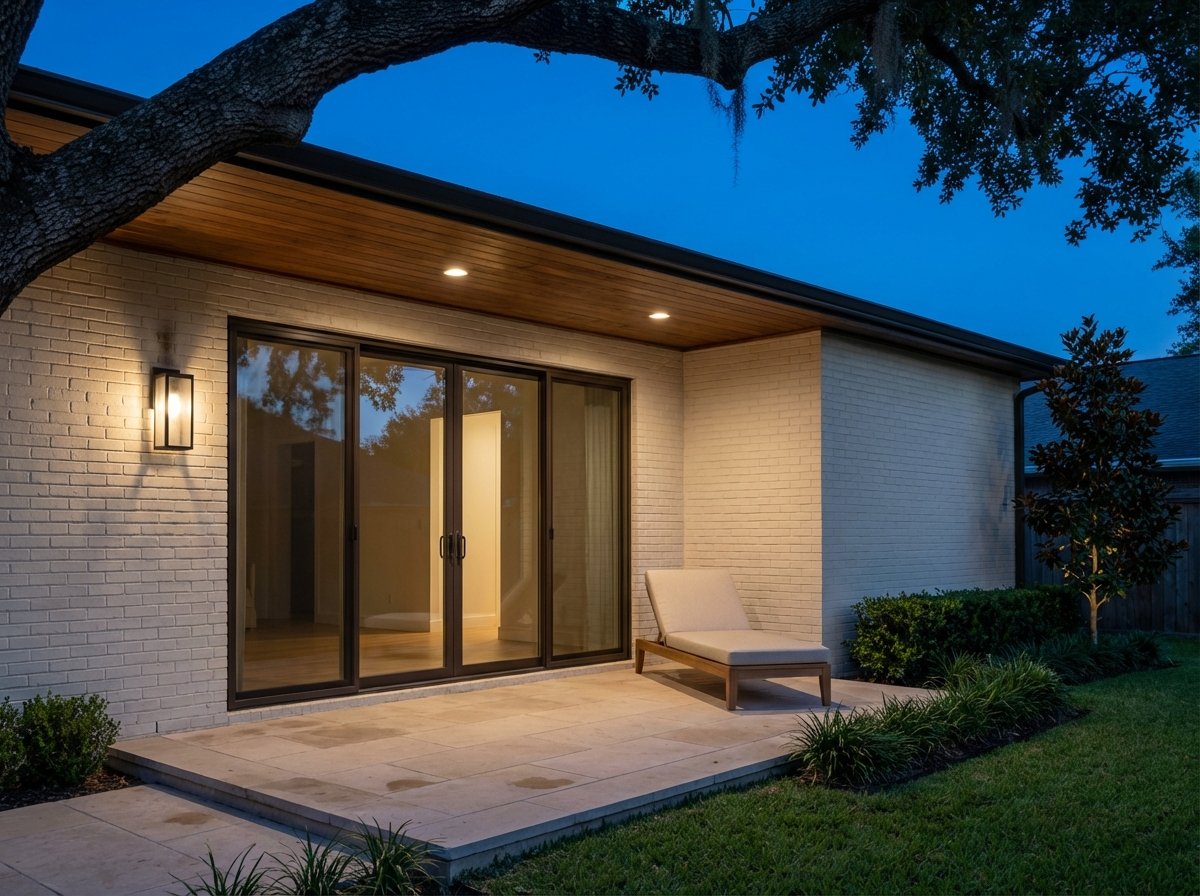
You see shiny new homes popping up around Memorial and wonder how your resale can stand out. It is a real concern, especially when builders offer upgrades and rate buydowns that change a buyer’s monthly payment. The good news: with smart pricing, a few targeted updates, and clear marketing, you can outperform new construction. This guide gives you a local, step‑by‑step plan to compete and win. Let’s dive in.
Know your Memorial market first
“Memorial” covers several distinct pockets on Houston’s west side. The Memorial Villages, Close‑in Memorial near Memorial Park, Memorial City and CityCentre, and the Spring Branch and West‑Memorial corridors all attract different buyers and price points. Learn what buyers expect in your immediate area before you choose updates or list price. For a useful high‑level orientation, see this overview of Memorial submarkets and lifestyle drivers.
Prices and buyer behavior vary neighborhood by neighborhood, so use ZIP and subdivision comps rather than a single Memorial average. Reports show the Memorial Villages sit near the high end of the metro, while nearby ZIPs include a mix of mid‑market homes and condos. Review local snapshots like the Memorial Villages market report when building your pricing plan.
Where builders pull buyers in Memorial
In recent cycles, new builds and spec homes have added choices across West Memorial and Spring Branch, with more vertical and mixed‑use energy around Memorial City and CityCentre. Ongoing retail and amenity investments, such as the Memorial City redevelopment activity, can shift buyer attention toward turnkey, walkable options. That makes presentation, pricing, and speed even more important for resale homes nearby.
Why some buyers choose new construction
Many buyers compare new builds first because they promise move‑in readiness, open layouts, energy efficiency, and builder warranties. Builders often sweeten the deal with closing cost credits, upgrade allowances, or mortgage rate buydowns that change the buyer’s math. Get familiar with these motivations and incentives so you can position your home accordingly. Here is a plain‑English look at new construction advantages and incentives that influence buyer decisions.
Your step‑by‑step plan to beat new builds
Step 0: Audit the competition
Spend 1 to 3 days doing a quick competitive audit. Compare active new builds and spec homes, their prices, completion dates, and any incentives. Then line up the recent 30 to 90‑day resale comps and current listings in your subdivision and ZIP. Treat builder incentives as part of the true competing price. Use neighborhood snapshots like the Memorial Villages report to calibrate trends.
Step 1: Tackle pre‑listing technicals
Consider a pre‑listing inspection so you can fix high‑impact items on your schedule and avoid last‑minute renegotiations. Typical inspections run about $300 to $700, and they often smooth the closing. Learn why a pre‑inspection can protect your sale in this seller‑focused explainer. Prioritize HVAC, roof, and electrical issues common in older Memorial homes. These are items buyers and appraisers notice fast.
Step 2: Price to the buyer’s monthly payment
Use one of two strategies when competing with new builds:
- Value‑capture pricing. Price slightly below the new‑build net cost after incentives to attract payment‑sensitive buyers and spark multiple offers.
- Differentiation pricing. If you can prove a clear premium like a larger lot, mature trees, superior mechanicals, or finished landscaping, price at or just above competing new builds.
Watch builder cycles. If a builder is offering a buydown or credit, consider a modest seller concession, such as a closing cost credit or a one‑year home warranty, to neutralize the math without cutting list price. See how builder offers shape buyer choices in this incentive overview.
Step 3: Make high‑ROI, visible updates
Focus on projects that punch above their cost and mirror what buyers love in new homes. The Cost vs. Value analysis for our region highlights several winners:
- Garage door replacement. Often one of the top cost‑recoup items.
- Steel entry door and curb appeal upgrades. Fresh lighting and hardware make a strong first impression.
- Minor kitchen refresh. Reface or paint cabinets, update counters and hardware, and consider efficient appliances. Midrange refreshes often return more value than full gut remodels.
- Neutral interior paint and flooring refresh. Low cost, high impact in photos.
- Front‑yard tidy and simple landscaping. Trim the canopy, mulch beds, refresh the entry.
See the West South Central figures for budgeting in the regional Cost vs. Value guide. Avoid large additions that rarely pay back at resale.
Step 4: Stage and elevate visuals
Staging helps buyers imagine living in your home and can reduce days on market. Many agents report staged homes often attract higher offers. Prioritize the living room, primary bedroom, and kitchen. Professional photos, a floor plan, and a 3D tour will boost first‑week exposure. Review key findings in NAR’s home staging report.
Step 5: Launch with targeted outreach
List on MLS and major portals with a clear story that highlights resale advantages: no construction wait, established yard, mature trees, finished neighborhood amenities, and known school assignments. In your social ads, include keywords buyers use for new builds, such as energy efficiency and smart‑home features, and then show how your home meets or exceeds those needs. Invite buyer agents who frequently sell new construction to a broker preview to surface clients open to a resale.
Step 6: Negotiate like a builder
If a builder is buying down rates, consider a seller‑paid point, a closing cost credit, or a home warranty to match value without a visible price cut. Keep an eye on appraisal risk. Appraisers rely on comparable sales for resale properties, so be ready to document your upgrades and competitive comps. For context on valuation approaches, see this assessor and appraisal reference.
Step 7: Be flexible at closing
Timeline certainty matters. Offer a quick close, a rent‑back, or a clean possession date if it helps a buyer choose your home over a spec option. A little flexibility can be worth more than a small price change.
Tune by Memorial submarket
- Memorial Villages. Lead with the lot, canopy, and privacy. Invest in landscape polish, pool or terrace refresh, and light kitchen or bath updates if needed. Use a neutral, upscale staging plan and premier photography.
- Close‑in Memorial near Memorial Park. Spotlight access to the park and walkability. Refresh kitchens and baths to current tastes and stage outdoor rooms to extend living space.
- Memorial City and CityCentre. If you are selling a condo or townhome, turn on the turnkey story. Emphasize included HOA services, amenity access, and a clean maintenance and warranty history.
- West Memorial and Spring Branch. Expect direct competition from infill builds. Price sharply, complete targeted cosmetic updates, and move fast with professional photos to catch buyers early.
Appraisal and financing realities
Builders sometimes benefit from incentives that change monthly payments. Resale sellers rely on comps, so document your improvements and recent neighborhood sales. Avoid pushing far above the comparable range unless you can prove a unique premium. Matching a payment through credits can be smarter than chasing list price.
Risk checks Memorial sellers forget
- Flood due diligence. Before listing, confirm your property’s flood zone status with the FEMA Flood Map Service Center. Buyers and lenders will ask.
- Regional context. Stay aware of evolving Houston flood modeling and mitigation work. The Baker Institute’s analysis offers helpful background on the region’s exposure in this Houston flood vulnerability review.
Quick 6‑point seller checklist
- Audit new builds, incentives, and the last 30–90 days of comps.
- Consider a pre‑listing inspection and fix key mechanicals.
- Complete the top three high‑ROI cosmetic updates.
- Stage the living room, primary, and kitchen.
- Use pro photos, a floor plan, and a 3D tour.
- Price to the buyer’s payment and plan for smart concessions.
Ready to compete and win in Memorial
You do not have to outspend a builder to beat one. With the right pricing, a focused refresh, and strong marketing, your home can shine against new construction. Our team’s 5‑Step Maximum Price Process and 10‑Point Marketing Strategy coordinate pre‑inspection, vendor work, staging, photography, video, and targeted outreach so you launch with confidence. If you want a tailored plan for your address, connect with Joseph Diosana for a pressure‑free consult.
FAQs
What is the best pricing strategy against new construction in Memorial?
- Price just below the new‑build net cost after incentives, or price slightly above only if you can prove a clear premium like lot size, mature trees, or superior systems.
Which updates pay off most when competing with new builds in Memorial?
- Focus on garage and entry doors, a minor kitchen refresh, neutral paint, flooring touch‑ups, and curb appeal, which the regional Cost vs. Value guide shows often recoup well.
How can I match builder incentives without dropping my list price?
- Offer a closing cost credit, a short‑term rate buydown, or a one‑year home warranty to match buyer payment math while preserving list‑price perception.
How does flood risk factor into my Memorial sale prep?
- Check your address on FEMA’s Flood Map Service Center and disclose clearly, since buyers and lenders will review zone status and insurance implications.
How long does it take to prep a Memorial resale to compete with new builds?
- Expect 2 to 8 weeks for targeted updates and staging after a 1 to 3‑day competitive audit, with timing based on project scope and vendor availability.