
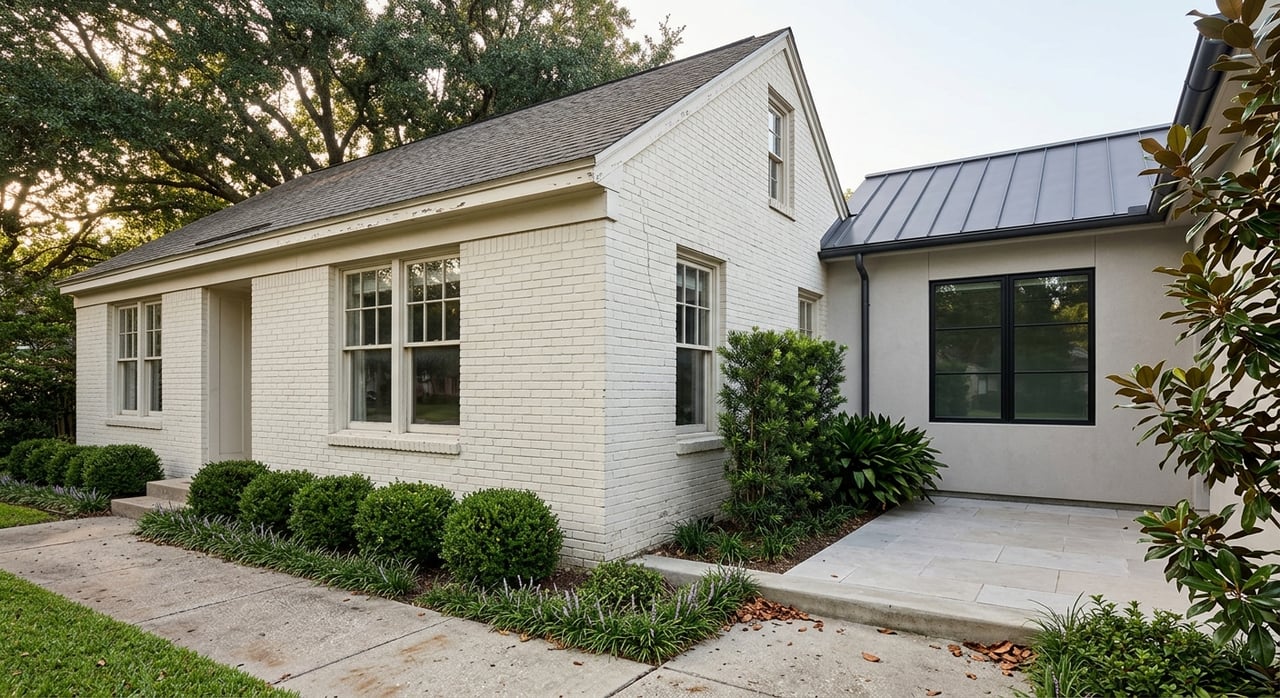
Buying your first home in Montrose can feel like choosing between two very different paths. One home may have early-20th-century charm, mature details, and a location in one of Houston’s most established central neighborhoods. Another may offer newer systems, lower immediate maintenance, and a more predictable layout, but with HOA rules, dues, or condo financing questions. If you are trying to decide which option fits your budget and comfort level, this guide will help you compare the tradeoffs and focus on what matters most. Let’s dive in.
Why Montrose Feels Different
Montrose, also identified by the City of Houston as part of the Neartown-Montrose super neighborhood, is a place where older and newer housing sit side by side. According to the City of Houston’s neighborhood overview, the area still includes vintage neighborhoods and single-family homes alongside newer development.
That mix shows up clearly in the housing data. The 2024 Neartown-Montrose profile reports 22,854 housing units, with about 21% built before 1960 and about 29% built since 2010. For a first-time buyer, that means your search may include everything from older bungalows to infill townhomes, condos, and renovated properties.
Price is another important part of the decision. The same city profile lists a median house value of $656,792 in Montrose, while the City of Houston’s 2023 housing-value table shows a citywide median of $253,400. In simple terms, Montrose can be a premium market, so it helps to evaluate the full monthly cost and the long-term upkeep before you fall in love with a home.
Older Homes vs New Builds
For many first-time buyers, the real choice is not just style. It is where the risk shows up.
Older Montrose homes often shift the risk toward inspections, future repairs, insurance questions, and possible historic-district rules. Newer townhomes and condos often shift the risk toward HOA dues, association governance, insurance structure, and project-level financing review.
Neither path is automatically better. The right choice depends on your cash reserves, monthly budget, renovation plans, and how much uncertainty you are comfortable handling.
What to Know About Older Montrose Homes
Historic character comes with extra homework
Some of Montrose’s historic pockets developed in the early 1900s and still include Craftsman, Prairie, and Colonial Revival styles. The City of Houston’s historic district materials note that areas such as First Montrose Commons and Audubon Place still reflect that earlier development pattern.
That character is a big part of the appeal, but it also means you should ask more questions before you buy. An older home may have had several owners, several rounds of updates, and systems added or repaired over time. The home can still be a great purchase, but you want a clear picture of its current condition.
Inspections matter more than ever
If you are buying an older home, the inspection is one of your most important decision points. The CFPB advises using an independent home inspector, building financing and inspection contingencies into your contract, and allowing enough time to negotiate repairs or walk away if serious issues are uncovered.
It also helps to remember that an appraisal and an inspection are not the same thing. An appraisal helps your lender assess value. An inspection helps you understand the property’s condition, possible repair costs, and whether the home still makes sense for your budget.
Budget for repairs and maintenance
A common first-time buyer question is how much to budget for repairs on an older Montrose home. The research here does not provide a set dollar amount, so the best approach is to let the inspection findings guide your plan.
As you review the report, focus on the items most likely to affect your near-term cash flow or loan path. That may include roofing, electrical components, plumbing, foundation-related concerns, or signs of deferred maintenance. If the inspection reveals major issues, you may need to renegotiate, ask for repairs, adjust your down payment strategy, or decide the property is no longer the right fit.
Historic districts can affect exterior changes
If the home is located in a historic district, renovation plans may need another layer of review. The City of Houston explains that ordinary maintenance and repair may be exempt, but exterior alterations, additions, and new construction can require a Certificate of Appropriateness.
That does not mean you cannot improve the property. It means you should confirm the rules before you buy, especially if your plan includes expanding the home, changing exterior materials, or making visible design changes. Asking early can save you time, money, and frustration later.
Insurance may look different on an older home
Insurance is another major consideration with older properties. The CFPB notes that pricing can depend on the home’s condition, roof type, electrical system, year built, code factors, and mitigation features. The same source also reminds buyers that flood damage is generally not covered by standard homeowners insurance.
The Texas Office of Public Insurance Counsel also notes that buyers may want to ask about extra coverage for sewer or drain backup and foundation or slab damage. For a first-time buyer, this is a practical reminder that an older home’s monthly cost is not just principal and interest. Insurance details can change the picture quickly.
What to Know About Newer Builds
Newer does not always mean simpler
Montrose’s newer housing stock is often infill development rather than large-scale subdivision construction. Based on the City of Houston year-built data, it is fair to think of newer Montrose options as a mix of townhomes, condos, and renovated homes rather than one single product type.
That variety gives you options, but it also means you should pay close attention to the ownership structure. A detached home, townhome, and condo can have very different rules, fees, and financing requirements even if they look similar online.
HOA dues can change affordability
One of the biggest monthly-cost differences with newer townhomes and condos is HOA dues. The CFPB explains that HOA or condo fees are usually paid separately from the mortgage and can range from a few hundred dollars per month to more than $1,000 per month.
That is why first-time buyers should not compare homes based on sale price alone. A newer property with lower maintenance may still cost more each month if dues are high. You also want to review the governing documents and financials because reserve funds and special assessments can have a real impact on future costs.
Condo insurance works differently
If you are considering a condo, be sure you understand what the association covers and what you need to insure yourself. The Texas Office of Public Insurance Counsel says condo policies usually cover the interior, personal property, liability, and additional living expenses, while the association generally handles the exterior and common elements.
The CFPB also notes that condo association dues often include master insurance for common areas, but the unit owner still needs coverage for the unit. OPIC further explains that loss-assessment coverage can help if the HOA levies an assessment after an underinsured loss. That is a detail many first-time buyers do not expect, but it matters.
Financing can be stricter for condos
A condo that looks perfect on paper can still create financing challenges. According to HUD’s condo financing guidance, FHA financing generally requires an FHA-approved condo project or a qualified single-unit approval, and the project must be complete, ready for occupancy, and contain at least five dwelling units.
Fannie Mae’s condo standards also highlight issues that can make projects problematic, such as critical repairs, inadequate insurance, significant litigation, or hotel and short-term-rental characteristics. The practical takeaway is simple: with condos, your financing depends not only on you, but also on the project.
Builder incentives still require comparison shopping
If you are considering a brand-new home or a not-yet-finished townhome, the buying process may look a little different. The CFPB notes that builders may ask for an upfront deposit and may offer an affiliated lender, but you are not required to use that lender.
That means you should still compare loan options and confirm deposit refund terms before you commit. Incentives can be attractive, but they do not replace careful review of the numbers.
How to Compare the True Monthly Cost
When you are choosing between an older home and a newer build in Montrose, focus on the full monthly picture. The CFPB recommends comparing principal and interest, property taxes, homeowners insurance, and HOA dues using Loan Estimates from multiple lenders.
In Montrose, taxes can include multiple entities depending on the property address, including the City of Houston, Harris County, HISD, HCC, flood control, hospital, and Port of Houston taxes. That is one more reason to compare actual estimates instead of guessing from list price.
Here is a simple way to think about it:
| Home Type | Common Cost Focus | Common Risk Focus |
|---|---|---|
| Older home | Repairs, insurance, future updates | Inspection findings, historic rules, system age |
| Newer townhome | HOA dues, taxes, insurance | HOA governance, special assessments, resale rules |
| Condo | HOA dues, unit insurance, lender fees | Project approval, insurance structure, financing eligibility |
A Smart Decision Framework
Ask what you can handle now
If you prefer a home with character and are comfortable budgeting for maintenance, an older Montrose property may be worth the extra due diligence. If you want more predictable near-term upkeep, a newer home may fit better, even if the monthly dues are higher.
The key is to be honest about your cash reserves. A home that stretches your budget before move-in can become stressful fast if repairs, assessments, or insurance costs rise.
Compare lenders early
Loan shopping is especially important in a market like Montrose. The CFPB says lenders must issue a Loan Estimate after receiving six key pieces of information, and multiple mortgage credit checks within a 45-day window are generally treated as a single inquiry.
That gives you room to compare offers without overcomplicating the process. For first-time buyers, this step can clarify whether an older single-family home, newer townhome, or condo is the most workable option.
Match the home to your goals
If you want design freedom, a detached home may give you more flexibility, though you still need to confirm any historic-district limits. If you want a more lock-and-leave lifestyle, a newer townhome or condo may feel easier, but you will want to study the HOA documents and financing path closely.
In other words, do not just ask which home looks best today. Ask which type of ownership fits your budget, risk tolerance, and next few years of life.
If you want help sorting through Montrose options with a clear plan, working with a local team can make the process much more manageable. Joseph Diosana and The Property Joes Group can help you compare properties, understand the tradeoffs, and move forward with confidence.
FAQs
For first-time buyers in Montrose, how much should I budget for repairs on an older home?
- There is no fixed amount in the available data, so your best guide is the inspection report. Use it to identify major systems, likely near-term repairs, and whether the home still fits your cash reserves and financing plan.
For Montrose townhomes and condos, are HOA dues included in the mortgage payment?
- Usually no. The CFPB says HOA or condo fees are typically paid separately from your mortgage, so you should include them in your total monthly budget.
For Montrose condo buyers, what happens if a condo project fails financing review?
- Your loan options may narrow or fall through, even if you personally qualify. Project issues like incomplete construction, inadequate insurance, litigation, or critical repairs can affect eligibility.
For older homes in Montrose historic districts, do rules restrict exterior work or additions?
- Yes, they can. The City of Houston says ordinary maintenance may be exempt, but exterior alterations, additions, and new construction can require a Certificate of Appropriateness.
For a Montrose home purchase, do you need flood insurance or special endorsements?
- Standard homeowners insurance generally does not cover flood damage. Buyers may also want to ask about added coverage for sewer or drain backup and foundation or slab damage, depending on the property and policy options.