Looking for a Houston neighborhood where museums, parks, rail access, and daily errands all sit close together? The Rice and Museum District area stands out for exactly that reason. If you want a place where everyday life can feel both active and convenient, this guide will help you picture what living here is really like. Let’s dive in.
What Everyday Life Feels Like
The Rice and Museum District area is not one single subdivision with one look or one pace. It is a compact, central part of Houston shaped by Rice University, Hermann Park, the Museum District, nearby residential streets, and a mix of historic and newer housing.
That mix gives the area a steady daily rhythm. You are likely to see students, medical professionals, museum visitors, and long-time residents all moving through the same general area. Because the neighborhood sits close to major institutions and amenities, short trips are a big part of everyday life.
The area also has a distinctly urban feel. The City of Houston estimates that Museum Park had 6,830 residents in just 0.56 square miles in 2023, which helps explain why the neighborhood feels active, connected, and close-knit in terms of geography.
Location Keeps You Connected
One of the biggest advantages of living here is how central the area feels. Rice University describes its campus as a 300-acre, tree-lined environment that sits across Main Street from the Texas Medical Center and near downtown, the Museum District, Rice Village, and Hermann Park.
In practical terms, that means many of Houston’s best-known destinations are nearby. Instead of planning your whole day around getting across town, you may find that coffee, a museum stop, a park walk, or a meal out can fit more naturally into your routine.
This central location also supports a lifestyle that feels flexible. Whether you are heading to campus, meeting friends in Rice Village, or spending time in Hermann Park, the area is built around access and short connections.
Getting Around Without Overcomplicating Your Day
Transportation is a major part of the appeal here. METRORail’s Red Line helps anchor day-to-day mobility, with nearby stops including Hermann Park/Rice U and Museum District.
METRO lists Red Line service at the Museum District station every 6 to 12 minutes. The City of Houston notes that major Red Line stops include downtown, Midtown, the Museum District, Hermann Park, the Houston Zoo, the Texas Medical Center, and NRG Park.
That kind of rail access can make daily routines simpler. If you work, study, or spend time in these connected areas, you have an alternative to driving for every trip.
Local bus service adds another layer of convenience. METRO also notes bus routes within walking distance of major destinations in the area, including several museums.
For short rides and casual trips, Houston BCycle stations are scattered throughout the neighborhood. Stations near Main & Wichita, the Health Museum, Centennial Gardens, Greenbriar Lot, Rice Village Apartments, Amherst & Kelvin, and several Rice and Texas Medical Center locations create another option for getting around.
Parks Make Outdoor Time Easy
Hermann Park is one of the area’s defining features. The City of Houston describes it as a 445-acre park surrounded by the Texas Medical Center, Rice University, the Museum District, and residential neighborhoods.
This is not just a park you visit once in a while. For many nearby residents, it can become part of the weekly routine because it is so close and offers so much variety.
Its amenities include the Houston Zoo, Miller Outdoor Theatre, an 18-hole golf course, the Japanese Garden, the Rose Garden, trails, McGovern Lake, and the Hermann Park Railroad. McGovern Centennial Gardens adds another eight acres with themed garden rooms and a central lawn.
If you enjoy quiet outdoor time, the Japanese Garden offers a different pace. Hermann Park Conservancy describes it as a peaceful hideaway with waterfalls, bridges, stone paths, and a teahouse.
Rice University’s campus also adds to the area’s green character. The university describes it as a forested, tree-lined campus, which means shaded walks and open space are woven into the neighborhood experience.
The nearby University Place super neighborhood includes parks such as Bell Park, Braeswood Park, Fleming Park, and Vassar Spaceway. Together, these spaces make it easier to fit fresh air and movement into your normal day.
Culture Is Part of the Routine
In many neighborhoods, museums are occasional destinations. Here, they are part of the setting.
According to a January 2025 City of Houston presentation, the Houston Museum District includes 21 arts and cultural organizations in a four-square-mile state-certified Cultural District. The same presentation says the district accounts for about 65% of the city’s museums and draws more than 7 million visits each year.
Just as important for residents, 11 institutions never charge admission and the others offer set free times. That helps make the district feel useful for repeat visits, not just special occasions.
Major institutions in and around the area include the Museum of Fine Arts, Houston, the Houston Museum of Natural Science, the Children’s Museum Houston, The Health Museum, the Houston Zoo, The Menil Collection, Rothko Chapel, the Contemporary Arts Museum Houston, and Miller Outdoor Theatre.
The Museum of Fine Arts, Houston adds to this sense of depth. The City of Houston describes it as a larger complex with gallery buildings, a sculpture garden, a library, a movie theater, a café, and art schools.
For you as a resident, this can shape how you spend your free time. A museum visit, an outdoor performance, or a quick cultural stop can feel like a normal weekday or weekend choice instead of a major event.
Rice Village Supports Daily Errands
While the museums bring regional attention, Rice Village supports everyday convenience. Rice University describes it as adjacent to campus and a convenient place for coffee, lunch, bakery stops, boutique shopping, and strolling.
That matters because daily living is not only about landmarks. It is also about whether you can comfortably handle the smaller parts of your day close to home.
Rice Real Estate also describes Rice Village as a vibrant mixed-use district serving the Rice community and surrounding neighborhoods. For many residents, that means errands and casual outings can stay local and easy.
You may find that your routine becomes more walkable and more spontaneous here. A quick coffee run, a lunch meeting, or a simple evening stroll can be built into the day without much planning.
Housing Has a Layered Character
Housing in the Rice and Museum District area is varied. This is one of the neighborhood’s strongest traits if you value character and options.
The University Place super neighborhood includes single-family homes, duplexes, apartments, student housing, Rice Village businesses, and historically designated neighborhoods. Museum Park is described by the City of Houston as a walkable community with historic old homes alongside new low- and high-density development.
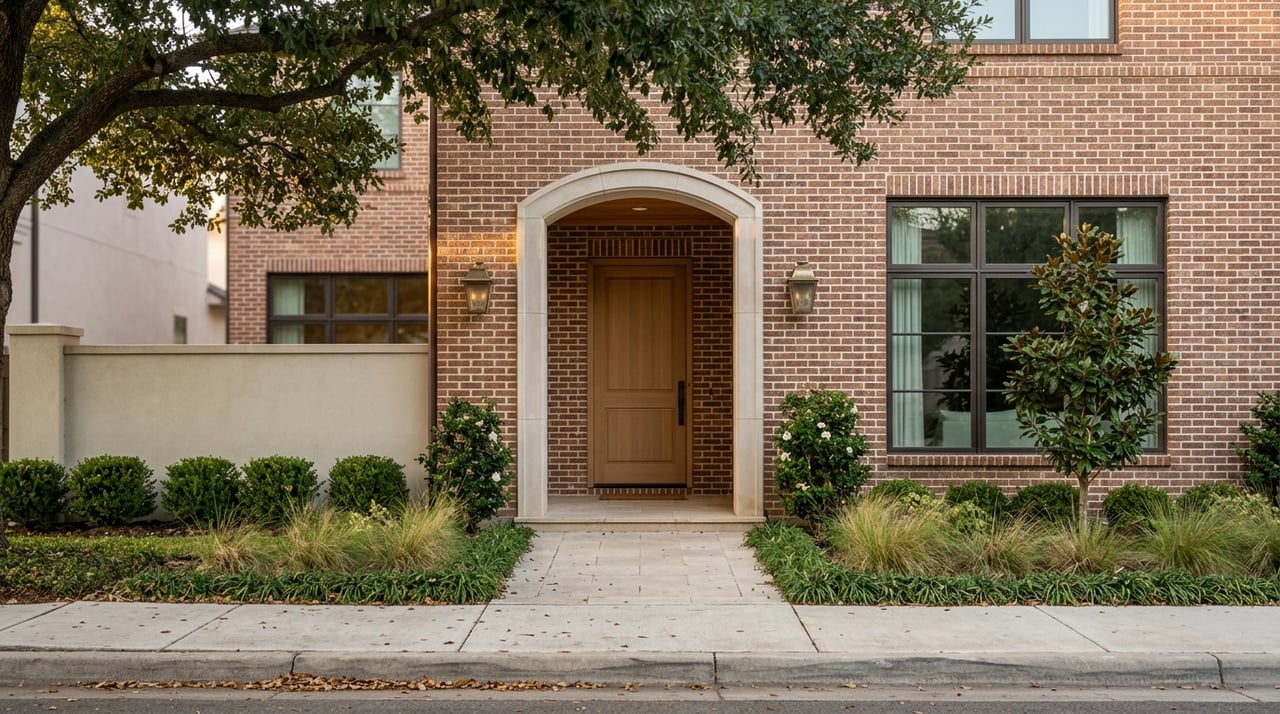
That means you are not looking at one housing type repeated block after block. Instead, the area feels layered, with older streetscapes, preserved historic pockets, and newer infill all existing close together.
Nearby historic districts add visual identity. Boulevard Oaks, built during Houston’s 1920s building boom, includes seven subdivisions developed from 1923 to 1940 and is known for oak-lined esplanades and revival-style homes.
The City of Houston notes that Tudor Revival is especially common there, along with Colonial Revival, French Eclectic, Italian Renaissance, and Spanish Eclectic styles. West Eleventh Place adds another historic note, with a single-block cul-de-sac of compact country-estate houses that are mostly Colonial Revival, plus French Eclectic and Spanish Eclectic examples.
For buyers, this mix can make the area appealing if you want a home in a neighborhood with both architectural interest and strong access to amenities. For sellers, the same variety can be part of the story that helps position a property within a distinctive central Houston setting.
Who This Area Often Appeals To
The Rice and Museum District area can be a strong fit if you value convenience, culture, and access to outdoor space. It may especially appeal to people who want an inner-loop lifestyle shaped by short trips and a connected layout.
You might appreciate this area if you are looking for:
- Easy access to METRORail and nearby bus routes
- Close proximity to parks and shaded walking areas
- Regular access to museums and cultural destinations
- Nearby coffee shops, dining, and errands in Rice Village
- A mix of historic homes and newer residential options
At the same time, this is a dense urban pocket rather than a quiet, uniform neighborhood. If you are considering a move here, it helps to think about how much you value walkability, central access, and activity around you.
Why Local Guidance Matters Here
Because the Rice and Museum District area is so layered, buying or selling here often takes more than a quick online search. Block-by-block feel, access patterns, housing type, and historic character can all influence what daily living looks like from one property to the next.
That is where clear process and local perspective matter. If you are buying, you want help narrowing down which part of the area best fits your routine. If you are selling, you want a strategy that presents your home in the right context and highlights what makes its location work for everyday life.
Whether you are exploring your first move into central Houston or preparing to sell in a high-interest neighborhood, having a guide who understands the local housing mix can help you make more confident decisions.
If you are thinking about buying or selling near Rice and the Museum District, Joseph Diosana can help you build a smart plan with clear guidance, local insight, and a process designed to keep your move on track.
FAQs
What is everyday living like in the Rice Museum District area?
- Everyday living in the Rice and Museum District area often centers on short trips, walkable destinations, nearby parks, museums, and convenient access to Rice Village, Hermann Park, and the METRORail Red Line.
How do you get around the Rice Museum District area?
- Getting around the Rice and Museum District area is supported by METRORail Red Line stations at Hermann Park/Rice U and Museum District, local bus routes, and Houston BCycle stations spread throughout the area.
What parks are near the Rice Museum District area?
- Parks and green spaces near the Rice and Museum District area include Hermann Park, McGovern Centennial Gardens, the Japanese Garden, the tree-lined Rice University campus, and parks within the nearby University Place area.
What kinds of homes are in the Rice Museum District area?
- Homes in the Rice and Museum District area include a mix of single-family homes, duplexes, apartments, student housing, historic homes, and newer low- and high-density residential development.
What makes the Rice Museum District area unique in Houston?
- The Rice and Museum District area stands out for its central location, strong transit access, close connection to Rice University and the Texas Medical Center, major cultural institutions, and a blend of historic and newer housing.
Is Rice Village part of daily life near the Rice Museum District area?
- Rice Village often plays a big role in daily life near the Rice and Museum District area because it offers convenient access to coffee, dining, bakery stops, boutique shopping, and casual strolling close to home.