
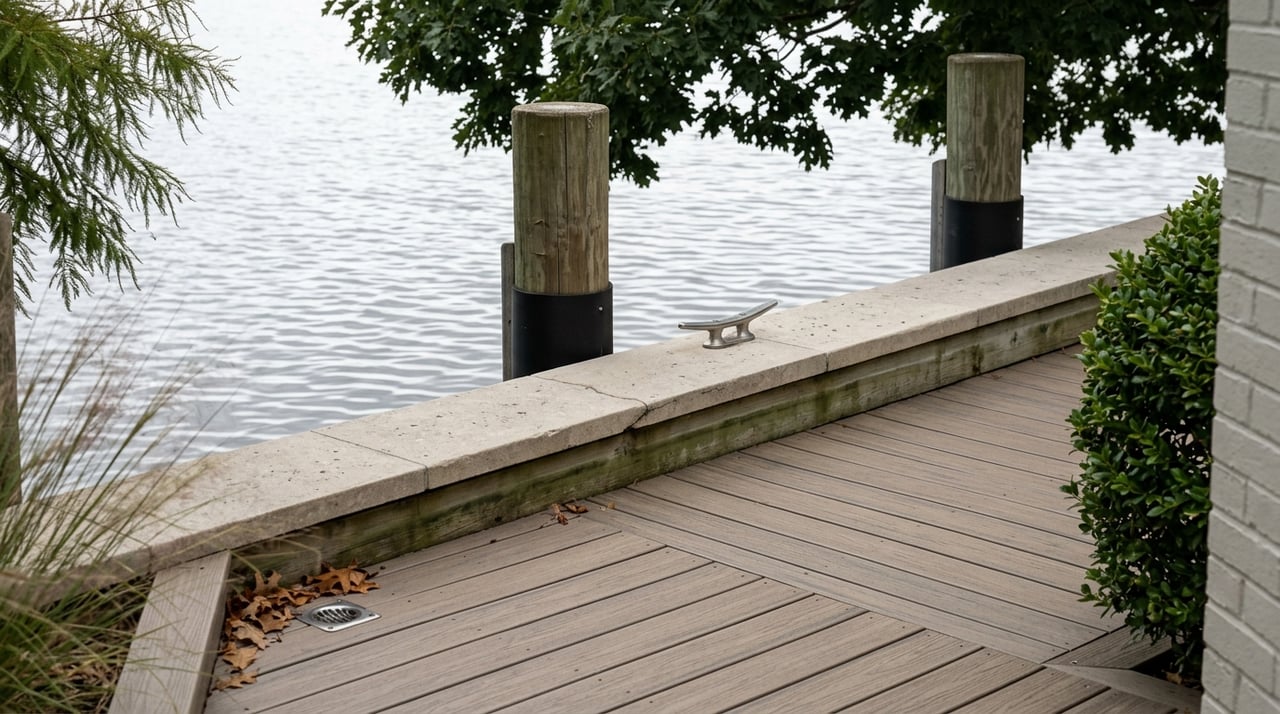
Thinking about buying a Lake Conroe waterfront home near 77301 and want to get it right the first time? Waterfront living is special, but it also comes with extra rules, inspections, and insurance questions that can affect your budget and timeline. With a clear due diligence plan, you can protect your investment and move forward with confidence. In this guide, you will learn the key checks to complete during your option period, who to call, and what to request from the seller. Let’s dive in.
What due diligence means on Lake Conroe
Waterfront properties around Lake Conroe look simple on the surface, yet the shoreline, docks, and flood risks are regulated by several agencies. The San Jacinto River Authority (SJRA) oversees structures on or over the water, FEMA maps determine flood risk and lender requirements, and many neighborhoods sit inside MUDs or PIDs that impact your tax bill. Your goal is to verify permits, condition, insurance needs, and recurring costs before you close.
Verify shoreline rights and permits
SJRA permits you need to see
On Lake Conroe, the SJRA regulates private docks, boathouses, bulkheads, and dredging. Never assume a structure is permitted or transferable. Ask the seller for the SJRA permit numbers and copies of licenses for every shoreline improvement on the property. You can confirm requirements and processes on the SJRA Lake Conroe licensing and permitting page. If a valid permit cannot be produced, negotiate a resolution during the option period.
If you plan any changes after closing, review the SJRA’s rules for new construction and modifications. The Licensing My Residential Structure guidance explains what is allowed, how to apply, and what must be posted on site.
Septic systems near the lake
If the home uses septic, SJRA may regulate the on‑site sewage facility within its jurisdiction near the reservoir. Request the current permit or tag, the maintenance contract, and any service records. Learn what applies to your address from SJRA guidance on on-site septic facilities near Lake Conroe. A septic inspection during your option period is essential.
Who owns the strip by the water
In some locations, a narrow strip between the lot line and the water is owned by SJRA or another party. Your title commitment and survey should confirm where private ownership ends, what easements exist, and whether any shoreline encroachments or licenses are recorded. Ask the title company to flag any SJRA encroachments or documents and request copies early.
Inspect docks, bulkheads, and lifts
Docks and bulkheads can look fine from the deck but hide costly issues. Hire a licensed marine contractor or structural engineer during your option period and make the inspection a contract contingency. Require a written report and bid, and verify any needed permits with SJRA before work begins.
What a marine inspection should check
- Permit status: visible SJRA tag and a matching permit number.
- Piles: rot, splitting, heaving, or signs of scour around piles.
- Bulkhead: bulging, leaning, gaps, or corroded tiebacks and anchors.
- Decking and framing: rot in joists, fastener corrosion, weak connections.
- Lifts and electrical: GFCI protection, proper wiring standards, motor condition.
- Erosion and access: shoreline stability, ramp condition, safety hazards.
- Water depth: if draft matters for your boat, ask for depth readings and any dredging history. Dredging needs its own SJRA permit, which you can review via the SJRA dredging permit information.
Timing and permit transfer
Include a permit transfer requirement in your closing deliverables. If SJRA confirmation is needed for an existing structure, make that a condition to close. Replacement timelines vary by scope, and permits plus construction can take weeks to months, so plan ahead during your option period.
Watch water levels and access
Lake levels are not static. The reservoir’s normal elevation is 201.0 feet above mean sea level, and operations can vary with supply and weather. Review the official normal pool elevation and check current levels while you evaluate boat clearance and lift settings. Ask the seller to disclose any shoreline work or fill that may have changed the lot’s relation to the water.
Know your flood risk and insurance
Start with the property’s FEMA flood map. Use the FEMA Flood Map Service Center to find the official flood zone. If the home sits in a Special Flood Hazard Area, most lenders require flood insurance. Even outside high‑risk zones, many buyers choose coverage because losses can occur anywhere. Compare quotes from the National Flood Insurance Program and private carriers, and review NFIP basics and coverage options to understand limits and waiting periods.
If the home is in or near a mapped high‑risk zone, order an Elevation Certificate from a licensed surveyor. The finished floor height can influence both premiums and building requirements. Build this step into your option timeline.
MUDs, PIDs, and your tax bill
Many Lake Conroe neighborhoods are within Municipal Utility Districts or Public Improvement Districts. These districts fund infrastructure and often add their own taxes or assessments. Read the Texas TCEQ overview of Municipal Utility Districts to understand how they work. Then request the current tax bill and a full tax breakdown from the seller, and have the title company identify any MUD or PID in the commitment. Ask whether bonds are outstanding and what the debt service timeline looks like for your specific district.
HOA rules and short‑term rentals
Resale certificate essentials
If the property has a mandatory HOA or POA, request the full resale certificate and governing documents early in your option period. The packet should show dues, delinquencies, pending litigation, and rules on docks, ramps, and leasing. For a plain‑English refresher on what to expect, review this summary of what a Texas HOA resale certificate includes. Always rely on the recorded CC&Rs for final rules.
STR rules and hotel tax
If you plan to host short‑term rentals, confirm three things before closing: HOA leasing rules, local city requirements, and tax obligations. Texas imposes a state hotel occupancy tax of 6 percent on short stays. Read the Texas Comptroller guidance on the state hotel occupancy tax. Then contact the City of Conroe to verify any local registration or additional taxes using the City of Conroe website. Many platforms collect some taxes automatically, but you are responsible for compliance and filings that apply to you.
Step‑by‑step due diligence checklist
Use this checklist during your option period. Build key items into your contract as contingencies and deliverables.
- Before making an offer
- Pull the FEMA map for the address and note the flood zone using the FEMA Flood Map Service Center.
- Ask your agent to review likely MUD or PID presence and estimated tax impacts based on recent tax bills.
- During the option period
- Request from the seller: SJRA permit numbers and copies for all docks, lifts, boathouses, bulkheads, and any dredging. Verify requirements on the SJRA licensing and permitting page.
- Hire a marine contractor or structural engineer for a dock and bulkhead inspection. Require a written report and estimate.
- If the home has septic, order a septic inspection and collect the permit, maintenance contract, and any SJRA correspondence per SJRA septic guidance.
- Order title commitment and a current survey that shows improvements and shoreline. Ask the title company to flag any SJRA encroachments or special reservations.
- Request the HOA resale certificate, CC&Rs, and any recent minutes. Confirm leasing and dock rules. See a primer on what a resale certificate includes.
- If the flood zone is high or borderline, order an Elevation Certificate and shop flood quotes. Use FloodSmart’s NFIP overview for basics.
- If you plan STR, confirm city requirements and local taxes with the City of Conroe and the Texas Comptroller.
- Pre‑closing
- Obtain written confirmation or transfers for any SJRA licenses or permits tied to the property. The Licensing My Residential Structure guidance outlines compliance basics.
- Confirm HOA dues status, any special assessments, and payoff instructions.
- Verify MUD or PID assessments in the settlement statement. Make sure flood insurance is bound and effective if required by your lender.
Handy script to request documents
Use this short, direct script when you or your agent request due diligence items from the seller:
- Please provide the SJRA permit numbers and copies for any dock, lift, boathouse, bulkhead, or dredging tied to the property, and confirm whether the SJRA permit is transferable at closing.
- If the property has septic, please send the current OSSF permit or tag, maintenance contract, and service records.
- Please provide the HOA resale certificate, CC&Rs, and any rules related to shoreline structures and leasing.
- Please share the most recent property tax bill and any notices that show MUD or PID assessments.
- Please provide the current survey. If not available, we will order a new ALTA/NSPS survey as a contract contingency.
- Please disclose any shoreline work, fill, or modifications done by the seller and provide copies of permits or approvals.
Ready to buy with confidence
A little structure in your due diligence goes a long way on Lake Conroe. By verifying SJRA permits, checking flood maps and insurance, confirming HOA and STR rules, and understanding MUD or PID costs, you can avoid surprises and close smoothly. If you want a guided process and access to vetted local vendors, connect with our team. Start a conversation with Joseph Diosana to map out your timeline and next steps.
FAQs
What is SJRA and why do Lake Conroe buyers need its permits?
- SJRA regulates docks, boathouses, bulkheads, dredging, and certain septic systems around Lake Conroe, so you should verify permits and license transfers on the SJRA licensing and permitting page.
How do I check if a Lake Conroe home is in a FEMA flood zone?
- Enter the property address at the FEMA Flood Map Service Center to see the official flood zone and discuss insurance requirements with your lender and insurer.
What should a dock and bulkhead inspection include for a Lake Conroe property?
- A marine pro should review permits, piles, bulkhead face and tiebacks, decking and fasteners, lifts and electrical, shoreline stability, and usable water depth, with a written report and estimate.
What are MUDs and PIDs near Conroe, and how do they affect costs?
- MUDs and PIDs fund local infrastructure and can add taxes or assessments that appear on your bill; read the TCEQ overview of MUDs and get parcel‑specific details from your title commitment and the seller’s tax bill.
Are short‑term rentals allowed around Lake Conroe, and what taxes apply?
- Rules depend on the HOA and local city requirements; confirm with the City of Conroe and review the Texas Comptroller’s hotel occupancy tax guidance for the 6 percent state tax and any local obligations.
Do I need an Elevation Certificate to buy flood insurance for a Lake Conroe home?
- Not always, but homes in or near high‑risk zones often benefit from an Elevation Certificate to refine pricing and building requirements; learn basics from FloodSmart.